-
INCONVENIENT TRUTHS: Pakistan’s Governance Challenges
₨1,395.00Pakistan has developed an environment in which facts are disputed, fundamental truth is questioned, lying and deceit are the norm, and unethical conduct is ignored, excused, and even rewarded. In such times speaking the truth can be a revolutionary act. Tariq Khosa has worked in various capacities in the Police Service of Pakistan and observed the workings of those in the highest echelons of power. In this book, he takes us on a journey through his career and explores the reasons for these ills gripping the country, especially in government and public service. He believes that public servants, especially police officers, have the power to shape a culture of honesty and transparency and, conversely, if they are dishonest, a culture of deception and corruption. Tariq Khosa provides sensible and viable solutions for the numerous problems plaguing the country.
-
A DIALOGUE WITH HISTORY: Interviews with World Leaders
₨3,500.00Dialogue with History is a captivating collection of 39 interviews with influential leaders and personalities who shaped the world in various fields, from politics and education to social activism. These visionaries, many of whom have passed on but left an indelible legacy, share their insights and experiences, offering a unique walk through the corridors of history. Highlights include a memorable conversation with legendary Khan Abdul Ghaffar Khan (Bacha Khan) and interviews with notable figures like Ghaus Bakhsh Bizenjo, Asif Ali Zardari, Imran Khan, General Pervez Musharraf, Asma Jahangir and many more. This book is a vital historical document, preserving the voices of the past for future generations.
-
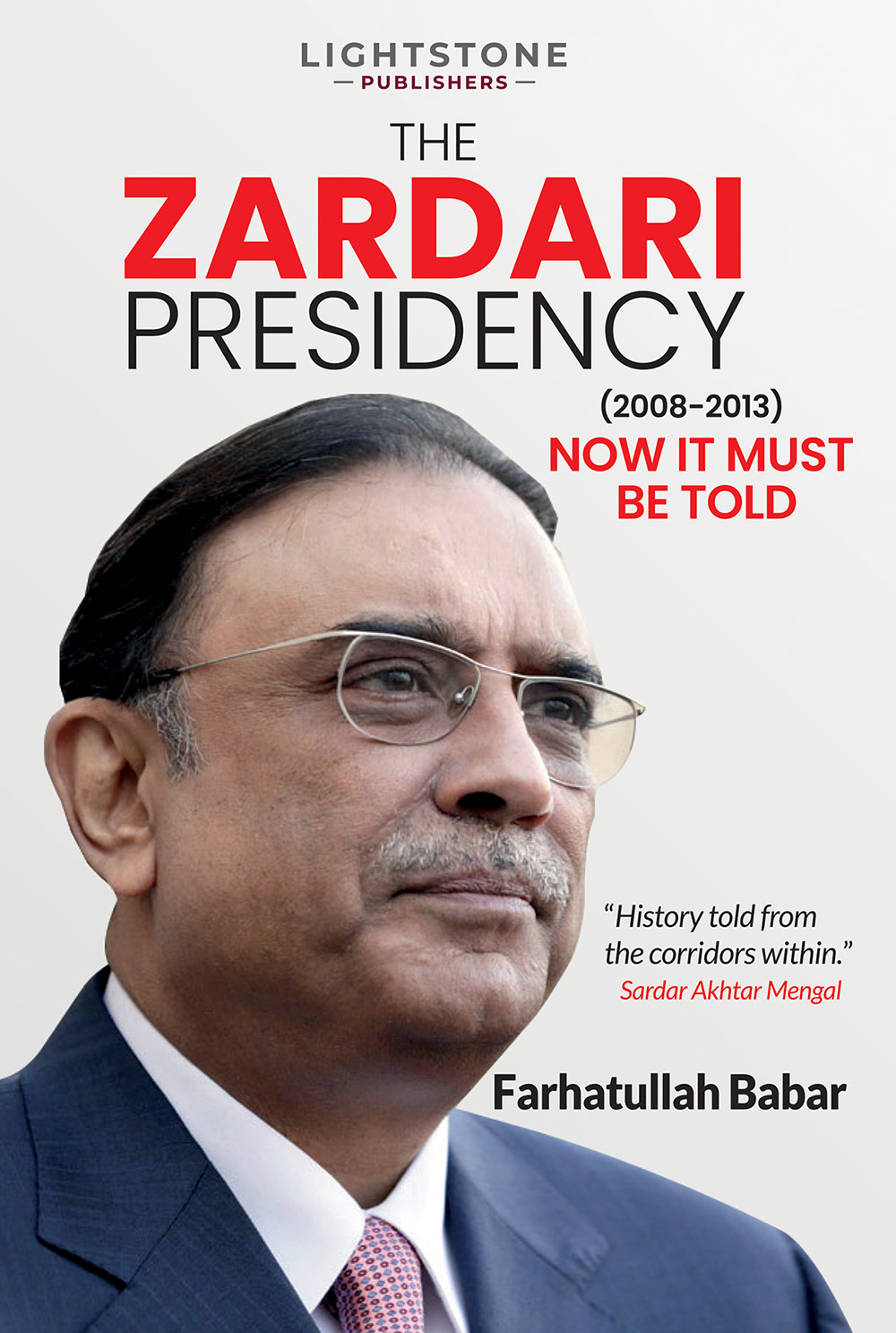
THE ZARDARI PRESIDENCY
₨5,995.00He was the man who defied all odds—a political survivor rising from obscurity to become Pakistan’s most enigmatic and possibly most controversial president. While many predicted the party founded by his father-in-law to factionalise if not fade away after the assassination of his wife, Benazir Bhutto, Zardari took the reins of the party at its most difficult time, united it and went on to become president of Pakistan twice. But what secrets lay behind Asif Ali Zardari’s tumultuous rule? In this explosive memoir, The Zardari Presidency: Now It Must Be Told, seasoned insider and close aide to Zardari, Farhatullah Babar, recounts the high-stakes drama, clandestine power struggles and seismic events that shaped a nation during Zardari’s presidency from 2008 to 2013. From the corridors of the presidency to the stormy halls of Parliament, Babar offers an unparalleled view of Zardari’s battles with Pakistan’s entrenched deep state, the judiciary and even his own allies. Witness the fallout of the Memogate scandal, the shadow of Osama bin Laden’s raid and the relentless manoeuvring that kept democracy afloat in a sea of conspiracies. Learn how Zardari steered Pakistan through impossible odds, from navigating U.S. diplomacy amidst a mistrusting military to laying the groundwork for historic reforms like the 18th Constitutional Amendment.
- Free Delivery Nationwide
- info@lightstonepublishers.com
- 02138891480